Signs Commercial Brick or Stone Mortar Needs Tuckpointing
If signs commercial brick or stone mortar needs tuckpointing, local contractors can assess and repair damaged mortar to restore your building’s stability and appearance.
Property owners noticing signs commercial brick or stone mortar needs tuckpointing may find themselves facing potential structural concerns or aesthetic issues. Over time, mortar can deteriorate due to weather, age, or settling, leading to crumbling joints, cracks, or loose bricks and stones. Recognizing these signs early can help prevent more costly repairs down the line and maintain the integrity of the building’s exterior. Local contractors who specialize in tuckpointing are equipped to assess the condition of mortar joints and recommend appropriate solutions to restore strength and appearance.
Exploring options for brick or stone tuckpointing is a practical step for those managing commercial properties or historic buildings in the area. Proper maintenance of mortar joints not only enhances curb appeal but also protects the underlying structure from water infiltration and damage. Service providers in the community offer expertise in addressing mortar issues efficiently, helping property owners preserve their investment. Continuing to read can provide valuable insights into how local professionals can assist with keeping brick and stone exteriors in solid condition.
- Signs commercial brick or stone mortar needs tuckpointing - property owners may notice deteriorating mortar joints that require professional repair to preserve structural integrity, and local contractors can assess and restore the masonry.
- Signs commercial brick or stone mortar needs tuckpointing - businesses experiencing crumbling or cracked mortar on their facades often seek local pros to perform tuckpointing that enhances appearance and prevents further damage.
- Signs commercial brick or stone mortar needs tuckpointing - aged or weathered mortar can lead to water infiltration, prompting property managers to contact local service providers for effective tuckpointing solutions.
- Signs commercial brick or stone mortar needs tuckpointing - visible gaps or missing mortar joints are common indicators for building owners to consult local contractors about tuckpointing to maintain safety and aesthetics.
- Signs commercial brick or stone mortar needs tuckpointing - when signs or decorative elements are loose or shifting, local pros can evaluate and perform tuckpointing to stabilize the masonry and improve curb appeal.
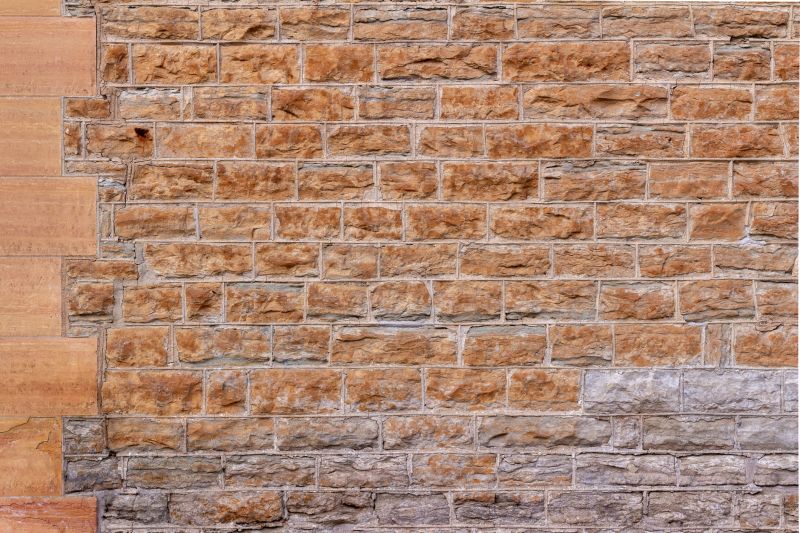
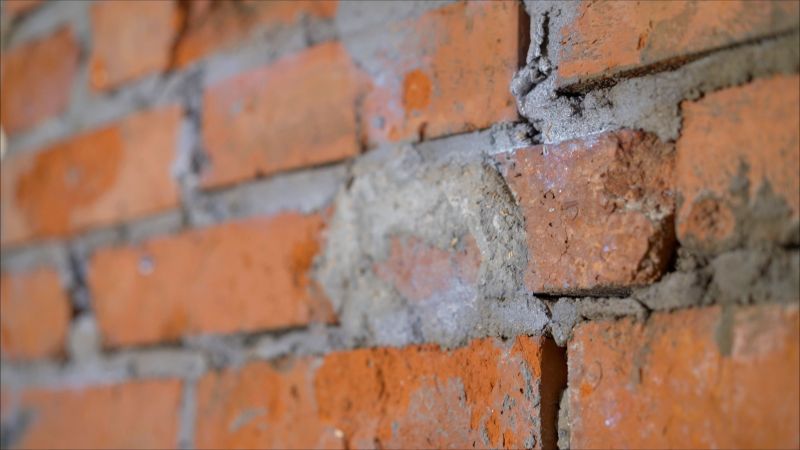
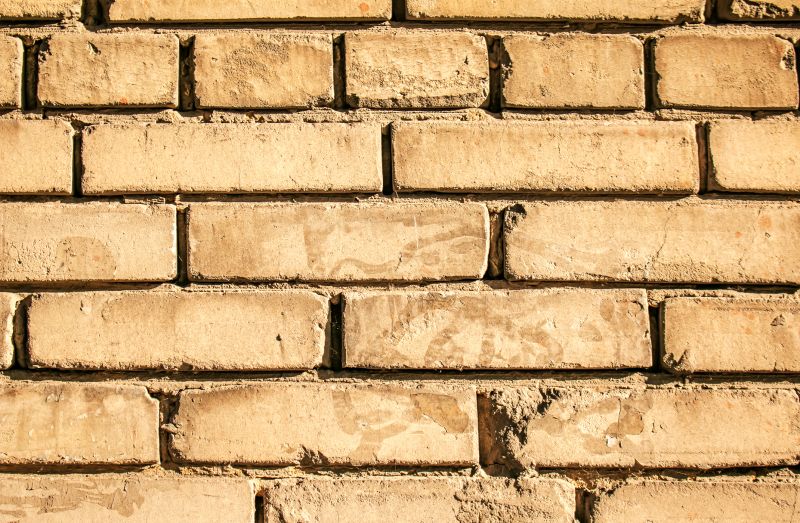
When people search for signs commercial brick or stone mortar needs tuckpointing, they are usually noticing visible issues with the mortar joints in their building’s exterior walls. These signs often include cracked, crumbling, or missing mortar, as well as areas where the mortar has become discolored or recessed compared to surrounding joints. Such visual cues indicate that the mortar is deteriorating and may no longer be providing the necessary structural support or weather resistance. Recognizing these signs early can help property owners prevent more extensive damage, making it important to understand when tuckpointing services might be needed to restore the integrity of brick or stone facades.
This topic is closely related to property maintenance and renovation plans, especially for commercial buildings or historic structures. When mortar begins to fail, it can lead to water infiltration, which may cause internal damage, mold growth, or weakening of the masonry units themselves. Property owners often consider tuckpointing as part of broader efforts to preserve the building’s appearance and structural stability. In some cases, the goal may be to improve curb appeal or comply with preservation standards, while in others, it’s about preventing costly repairs down the line. Local contractors who specialize in tuckpointing can evaluate the extent of mortar damage and recommend the appropriate repair approach to match the building’s age, style, and condition.
The types of properties that typically come up in discussions about signs commercial brick or stone mortar needs tuckpointing include a wide range of structures. Commercial buildings such as office complexes, retail stores, and industrial facilities often feature brick or stone facades that require regular inspection for mortar deterioration. Historic buildings, churches, and landmarks are also common candidates, as their masonry work is often more delicate and requires careful restoration. Additionally, multi-family residential complexes, such as apartment buildings, may show signs of mortar wear that call for professional attention. Regardless of the property type, experienced local service providers can assess the condition of the mortar and perform the necessary tuckpointing to ensure the durability and appearance of the masonry.
Understanding when to seek out tuckpointing services is essential for property owners who notice signs of mortar deterioration. Cracks, gaps, or crumbling mortar can compromise the stability of the brick or stonework and expose the underlying structure to water damage and weather-related wear. Engaging with local pros who specialize in tuckpointing can help address these issues effectively. These professionals have the skills to remove damaged mortar and replace it with fresh, durable material that matches the original in color and texture. This process not only enhances the visual appeal of the property but also extends its lifespan, making it a practical investment for maintaining the integrity of brick and stone structures over time.
Historic masonry restoration involves repairing and preserving older brick or stone structures, requiring skills similar to tuckpointing to match mortar joints and ensure structural integrity.
Facade repair and cleaning focuses on restoring the appearance of brick or stone surfaces, often requiring attention to mortar joints and surface preparation akin to tuckpointing work.
Chimney rebuilding and repair involves restoring brick or stone chimneys, which often requires repointing and mortar work comparable to tuckpointing services.
Stone veneer installation involves placing decorative stone layers that demand precise mortar application and joint finishing similar to tuckpointing techniques.
Brick paving and walkway repair includes replacing or restoring brick pathways, which involves mortar work and joint sealing skills related to tuckpointing projects.
Structural stabilization of masonry walls requires expertise in mortar repair and joint maintenance to ensure long-term stability, paralleling tuckpointing services for signs commercial brick or stone mortar needs.
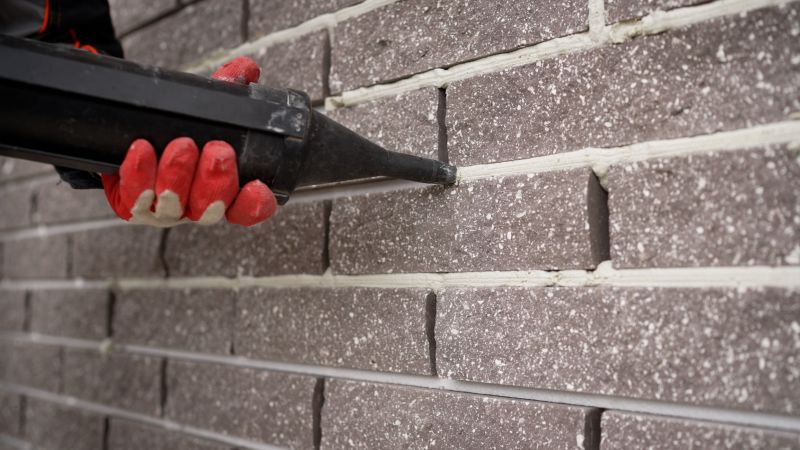
When evaluating service providers for signs commercial brick or stone mortar needs tuckpointing, it is important to consider their experience with similar projects. A contractor with a proven track record in working with brick or stone structures can better understand the specific requirements and challenges of tuckpointing such materials. Asking about their past work on projects comparable in size and scope can provide insight into their familiarity with the nuances of brick and stone repair, ensuring the job is approached with expertise and attention to detail.
Clear written expectations are essential when selecting a local contractor for tuckpointing services. A detailed scope of work, including the materials to be used, the extent of the work, and any necessary preparations, helps establish mutual understanding and reduces the potential for misunderstandings. Reputable service providers are typically willing to provide written estimates or proposals that outline these expectations, allowing homeowners to review and compare what each contractor offers before making a decision.
Effective communication plays a vital role in successful tuckpointing projects. A professional contractor should be responsive to questions, transparent about the process, and able to explain their approach in understandable terms. Good communication ensures that homeowners are kept informed about progress and any issues that may arise, fostering a collaborative relationship. When comparing local contractors, paying attention to their willingness to listen, clarify details, and provide clear updates can help identify those who prioritize client understanding and satisfaction throughout the project.
Property owners often search for signs commercial brick or stone mortar needs tuckpointing when they are planning practical projects around their homes and businesses. Local pros provide Brick or Stone Tuckpointing services for everyday jobs and straightforward project options.
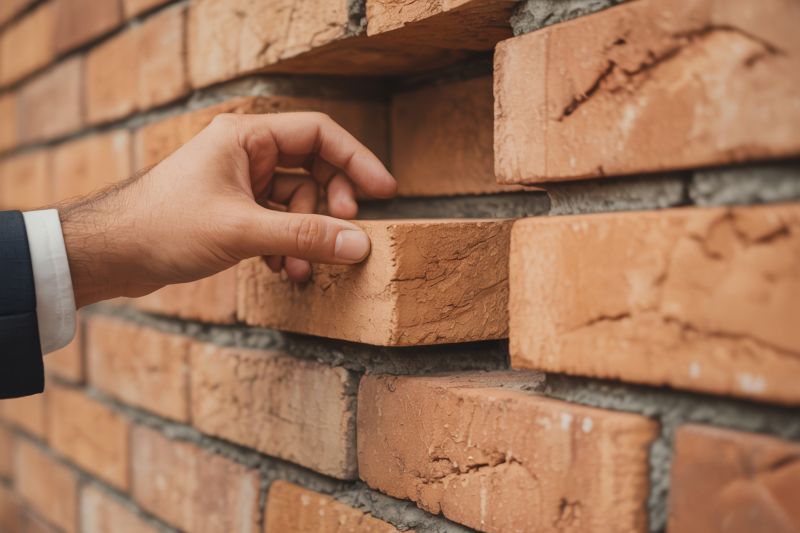
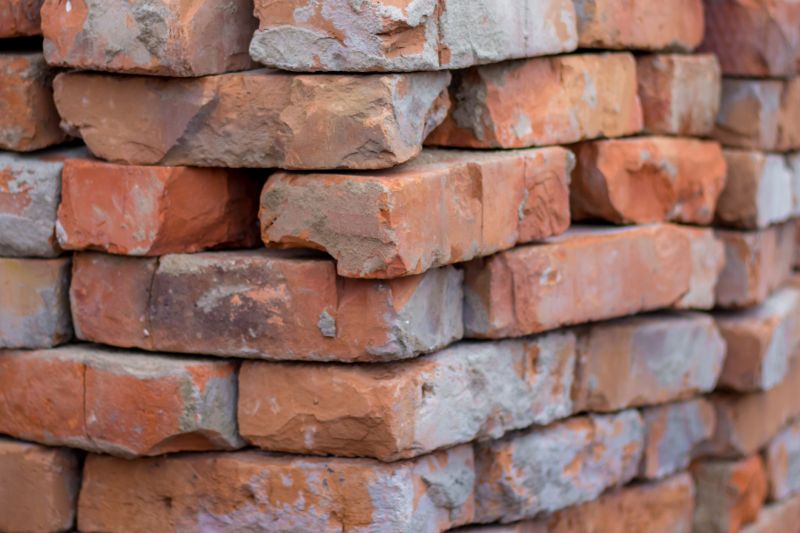
Property owners noticing cracked or crumbling mortar between bricks or stones may find themselves exploring options for tuckpointing services. Over time, weather exposure and settling can cause mortar joints to deteriorate, which not only affects the appearance of a building but can also compromise its structural integrity. Local contractors experienced in brick and stone repair can assess these signs and recommend appropriate tuckpointing work to restore the wall’s strength and visual appeal.
In many cases, visible gaps, loose mortar, or mortar that appears significantly darker or lighter than surrounding joints are clear indicators that tuckpointing may be needed. Property owners often seek out local service providers to address these issues promptly, preventing further damage and maintaining the value of the property. Connecting with experienced contractors ensures that the job is handled efficiently, using proper techniques to preserve the durability and aesthetic of brick or stone structures.
What are common signs that commercial brick or stone mortar needs tuckpointing? Visible cracks, crumbling mortar, and mortar that appears recessed or uneven are typical indicators that tuckpointing may be necessary to maintain the structural integrity of brick or stone walls.
How can I tell if mortar deterioration is affecting my commercial building? Signs such as loose bricks, water infiltration, or mortar that is deteriorating or missing can suggest that tuckpointing is needed to prevent further damage.
Why is it important to address mortar issues on brick or stone structures promptly? Prompt attention to mortar deterioration helps prevent damage to the bricks or stones, reduces the risk of structural problems, and maintains the building’s appearance.
What types of signs indicate that tuckpointing is likely required for my commercial property? Evidence like crumbling or cracked mortar, efflorescence, or mortar that is visibly recessed from the brick or stone surface are signs that professional tuckpointing services may be needed.
How do local contractors assess whether brick or stone mortar needs tuckpointing? They typically inspect for visible cracks, deterioration, and mortar integrity, and evaluate whether the mortar can be repaired or needs complete replacement to restore the wall’s stability.
Identify cracked or damaged mortar joints - noticing visible cracks or deterioration can help property owners determine when tuckpointing services are needed to preserve brick or stone structures.
Watch for mortar crumbling or missing - areas where mortar has fallen out or is missing indicate the need for professional tuckpointing to prevent further damage.
Check for efflorescence or discoloration - staining or white deposits on brick or stone surfaces can signal mortar issues that require attention from experienced contractors.
Monitor for loose or bulging mortar - signs of mortar that feels loose or appears to be protruding can prompt property owners to seek tuckpointing services to maintain structural integrity.
If you are thinking about signs commercial brick or stone mortar needs tuckpointing for a property, this guide is meant to help you understand this topic, the typical project types, and how different options might fit your plans.
When you are ready, you can use the quote form on this page to share a few details about your project. From there, local pros can review the basics and follow up with options that match what you have in mind.