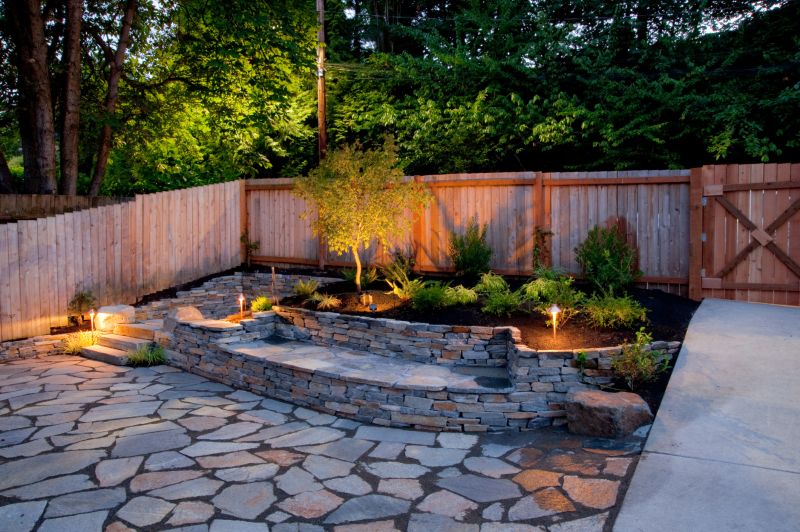
Stone Edging Installation in Fairfield County, CT
Stone edging installation is a popular choice for defining garden beds, walkways, and landscape borders, providing a durable and attractive boundary that enhances curb appeal. This service typically involves placing natural or manufactured stone materials along the edges of lawns, flower beds, or pathways to create clean, defined lines. Property owners often request stone edging to prevent soil erosion, contain mulch or gravel, and add a polished look to outdoor spaces. Before requesting installation, it’s helpful to consider the type of stone preferred, the layout of the area, and any specific design goals to ensure the finished project complements the overall landscape.
Understanding the scope of stone edging projects is important for property owners, as these installations can vary from simple straight lines to more intricate curved designs. It’s also useful to know the existing terrain and soil conditions, as these factors influence the choice of materials and installation methods. Proper planning can help address potential challenges such as uneven ground or drainage issues, ensuring the edging remains stable and visually appealing over time. Clarifying these details beforehand can lead to a smooth installation process and a finished landscape that meets aesthetic and functional expectations.
Many property owners in Fairfield County, CT look into Stone Edging Installation for repairs, replacements, upgrades, and appearance-related improvements.
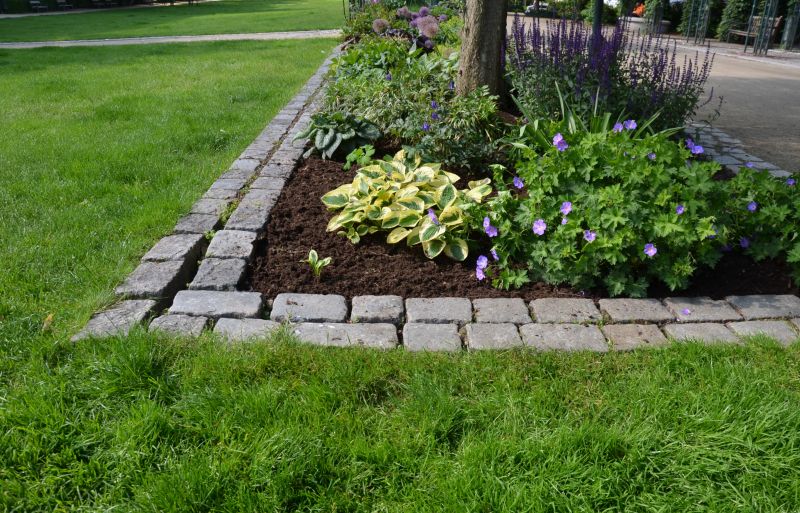
Enhance Landscape Borders
Stone edging creates clean, defined borders around gardens and pathways.
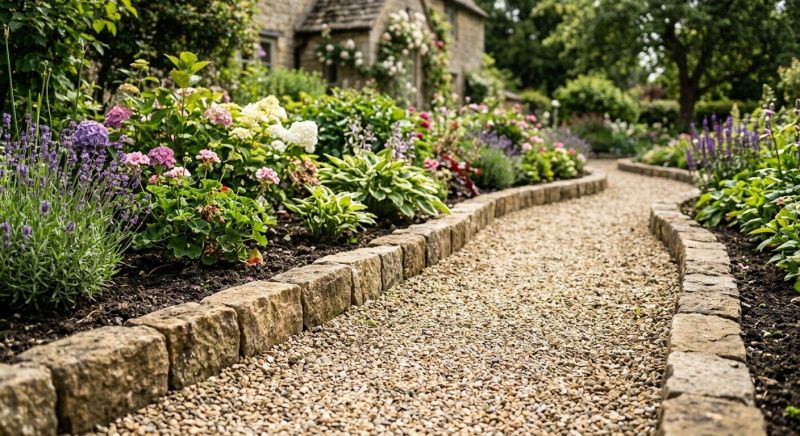
Increase Property Value
Installing stone edging can improve curb appeal and add durability to landscape features.
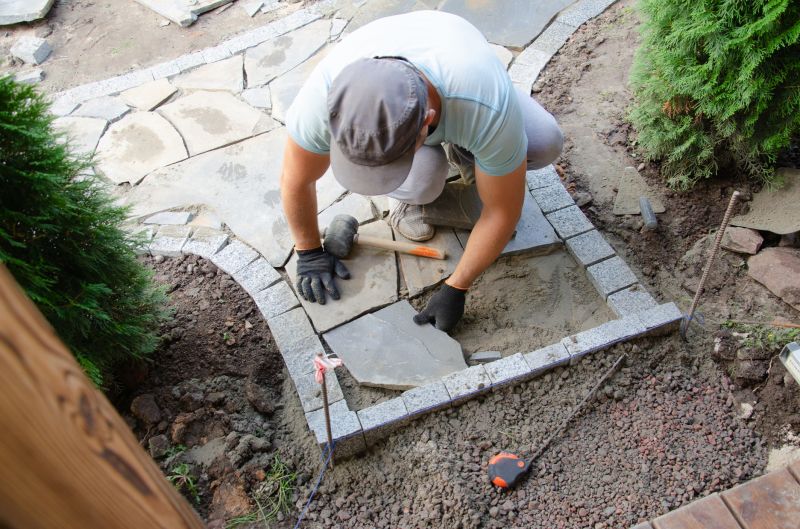
Custom Design Options
Choose from a variety of stone styles and arrangements to complement any outdoor space in fairfield county, ct.
Stone Edging Installation in Fairfield County, CT
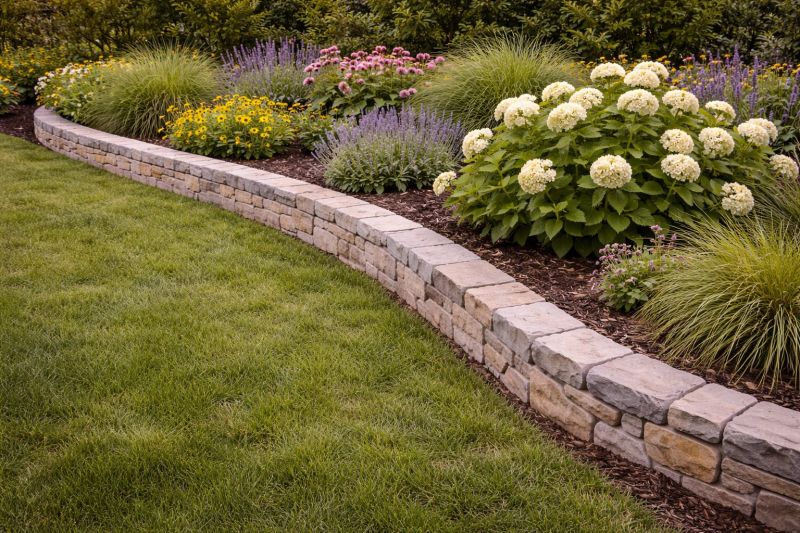
Stone edging installation is a popular choice for defining garden beds, walkways, and landscape borders, providing a durable and attractive boundary that enhances curb appeal. This service typically involves placing natural or manufactured stone materials along the edges of lawns, flower beds, or pathways to create clean, defined lines. Property owners often request stone edging to prevent soil erosion, contain mulch or gravel, and add a polished look to outdoor spaces. Before requesting installation, it’s helpful to consider the type of stone preferred, the layout of the area, and any specific design goals to ensure the finished project complements the overall landscape.
Understanding the scope of stone edging projects is important for property owners, as these installations can vary from simple straight lines to more intricate curved designs. It’s also useful to know the existing terrain and soil conditions, as these factors influence the choice of materials and installation methods. Proper planning can help address potential challenges such as uneven ground or drainage issues, ensuring the edging remains stable and visually appealing over time. Clarifying these details beforehand can lead to a smooth installation process and a finished landscape that meets aesthetic and functional expectations.
Many property owners in Fairfield County, CT look into Stone Edging Installation for repairs, replacements, upgrades, and appearance-related improvements.
Common Stone Edging Installation Jobs
Garden Bed Edging - defines garden borders to create a clean, polished look.
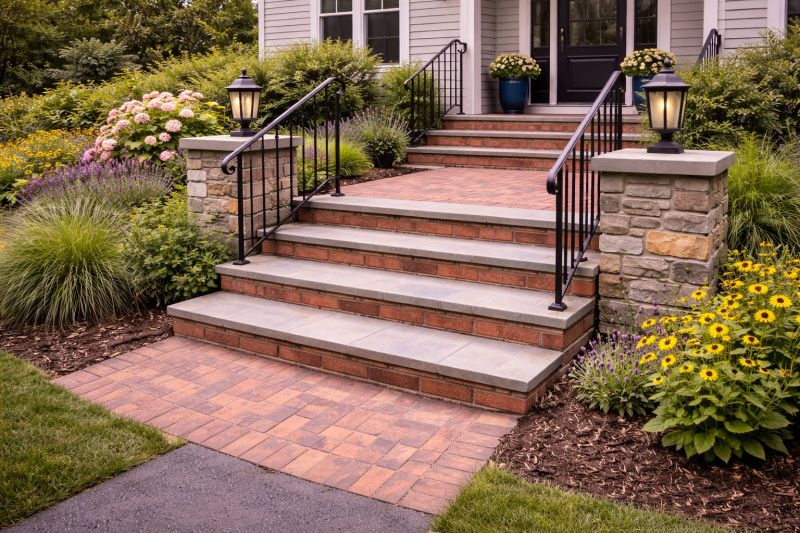
Pathway Edging - enhances walkways with durable stone borders that prevent soil erosion.
Retaining Wall Edging - stabilizes slopes and prevents soil movement around landscaping features.
Driveway Borders - provides a sturdy edge that improves curb appeal and prevents gravel spread.
Landscape Separation - separates different yard areas for a neat and organized appearance.
Erosion Control Edging - helps manage water flow and reduces soil loss on slopes and uneven terrain.
Stone Edging Installation Questions
What is stone edging used for? Stone edging provides a durable border for gardens, flower beds, walkways, and landscape features to define spaces and prevent soil erosion.
What types of stones are suitable for edging? Common options include natural options like granite, limestone, and fieldstone, which offer various colors and textures to complement different landscape styles.
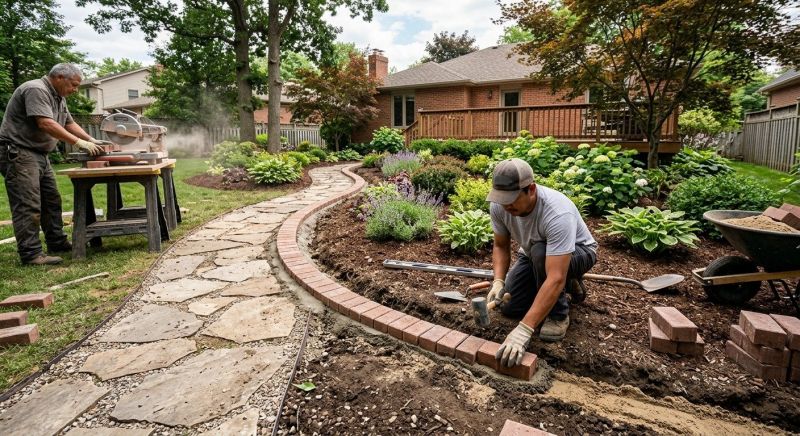
How is stone edging installed? Installation involves preparing the area, placing stones in a level line, and securing them to ensure stability and a clean appearance.
Can stone edging be customized to fit different landscape designs? Yes, stones can be arranged in various patterns and heights to match specific landscape preferences and project requirements.
Request Stone Edging Installation in Fairfield County, CT
Use the quote form on this page to share the basics of your project and request more information for the type of work you need.