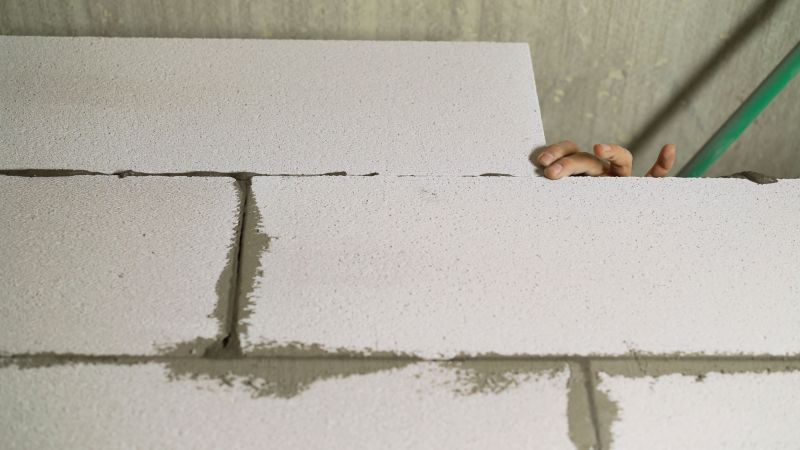
Concrete Blocks Installation in Fairfield County, CT
Concrete blocks installation services provide durable and versatile solutions for various property projects, including building retaining walls, garden borders, privacy screens, and fencing structures. These services involve carefully placing and securing concrete blocks to create stable, long-lasting structures that can enhance a property's functionality and appearance. Homeowners interested in this service typically want to understand the different types of concrete blocks available, the suitability of blocks for specific projects, and any preparation or maintenance requirements involved in the installation process.
Property owners should consider factors such as the intended purpose of the structure, the landscape conditions, and the desired aesthetic when requesting concrete blocks installation. It’s helpful to know the dimensions and style of blocks that best fit the project, as well as any local building codes or regulations that might influence the installation. Clear communication about project goals and site conditions can ensure the installation meets expectations and provides a reliable, attractive feature for the property.
Many property owners in Fairfield County, CT look into Concrete Blocks Installation for repairs, replacements, upgrades, and appearance-related improvements.
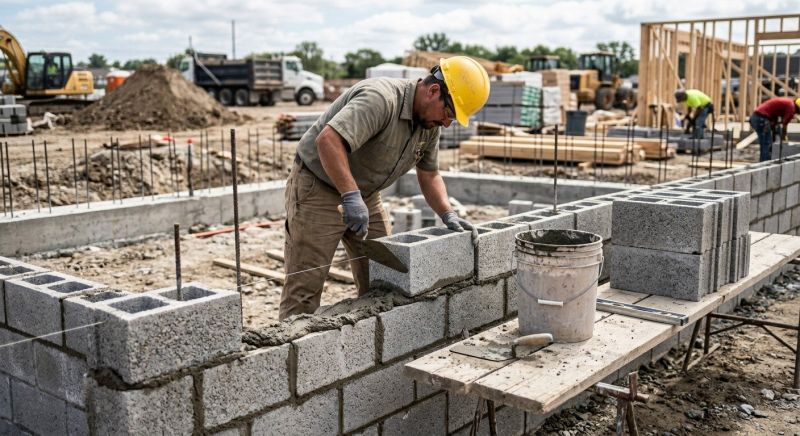
Residential Boundary Walls
Concrete blocks are commonly used to create durable boundary walls around fairfield county homes.
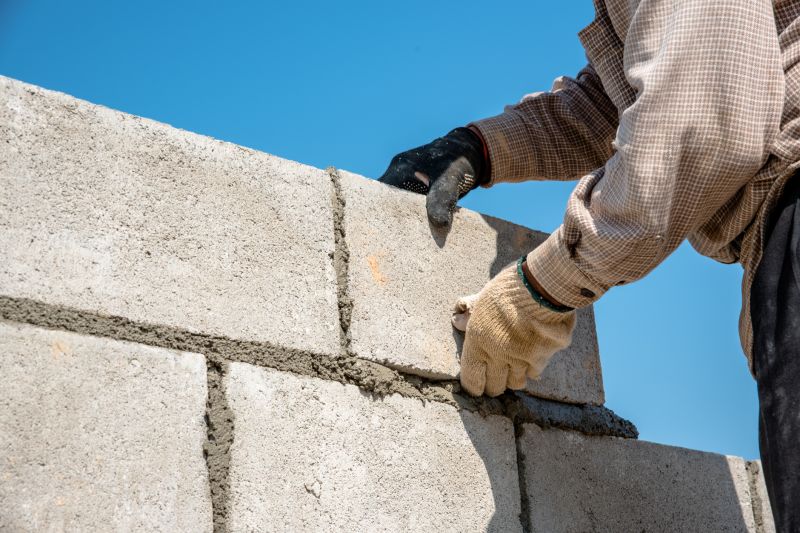
Garden And Landscape Edging
Installing concrete blocks helps define garden beds and landscape features with clean, stable edges.
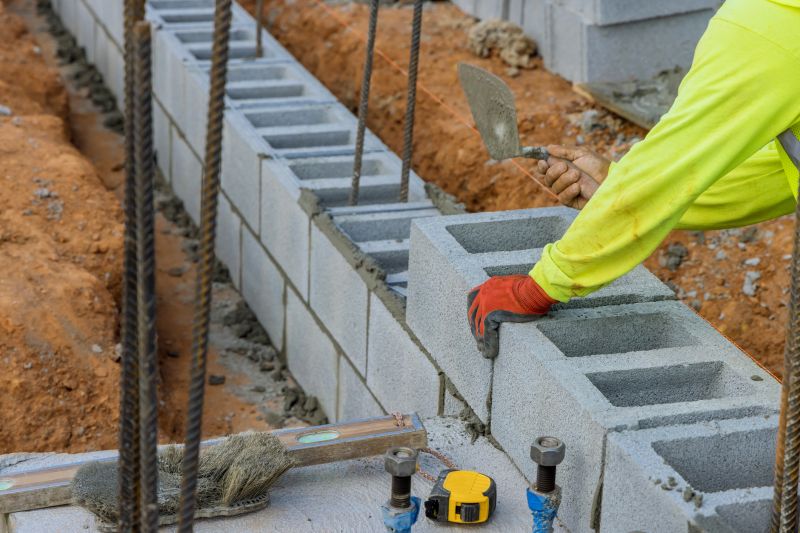
Retaining Wall Construction
Concrete blocks provide strong support for retaining walls that manage soil and prevent erosion on properties.
Concrete Blocks Installation in Fairfield County, CT
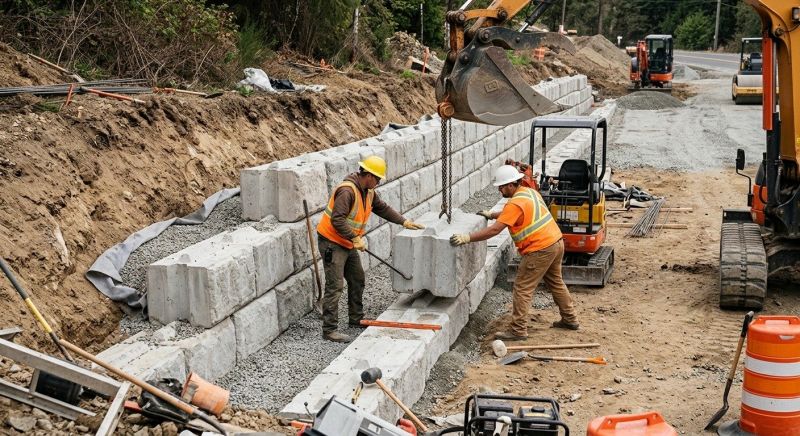
Concrete blocks installation services provide durable and versatile solutions for various property projects, including building retaining walls, garden borders, privacy screens, and fencing structures. These services involve carefully placing and securing concrete blocks to create stable, long-lasting structures that can enhance a property's functionality and appearance. Homeowners interested in this service typically want to understand the different types of concrete blocks available, the suitability of blocks for specific projects, and any preparation or maintenance requirements involved in the installation process.
Property owners should consider factors such as the intended purpose of the structure, the landscape conditions, and the desired aesthetic when requesting concrete blocks installation. It’s helpful to know the dimensions and style of blocks that best fit the project, as well as any local building codes or regulations that might influence the installation. Clear communication about project goals and site conditions can ensure the installation meets expectations and provides a reliable, attractive feature for the property.
Many property owners in Fairfield County, CT look into Concrete Blocks Installation for repairs, replacements, upgrades, and appearance-related improvements.
Common Concrete Blocks Installation Jobs
Foundation Walls - Concrete blocks are used to build durable foundation walls for residential and commercial properties.
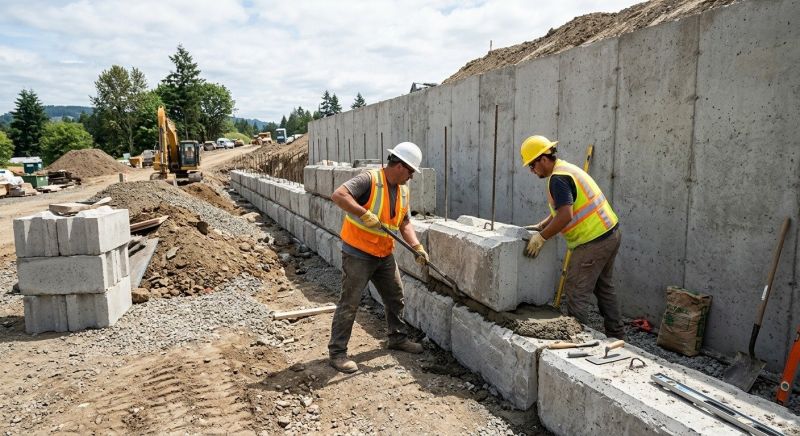
Retaining Walls - Installing concrete block retaining walls helps manage soil and prevent erosion around landscapes.
Boundary Walls - Concrete blocks provide a strong and secure option for property boundary enclosures.
Garden and Planter Walls - Creating decorative garden walls with concrete blocks enhances outdoor spaces.
Steps and Edging - Concrete blocks are used for constructing sturdy steps and defining landscape borders.
Basement Walls - Concrete blocks are suitable for constructing basement walls that require stability and moisture resistance.
Concrete Blocks Installation Questions
What are concrete blocks typically used for? Concrete blocks are commonly used for building walls, retaining structures, garden borders, and outdoor features on residential properties.
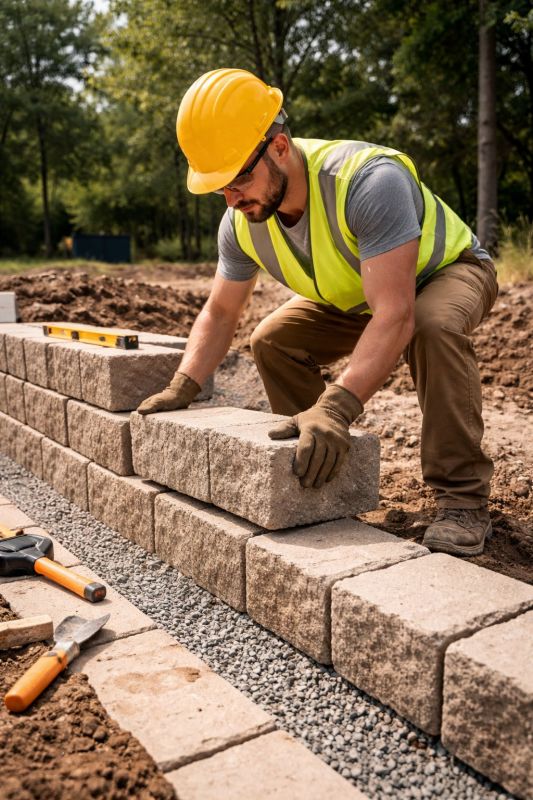
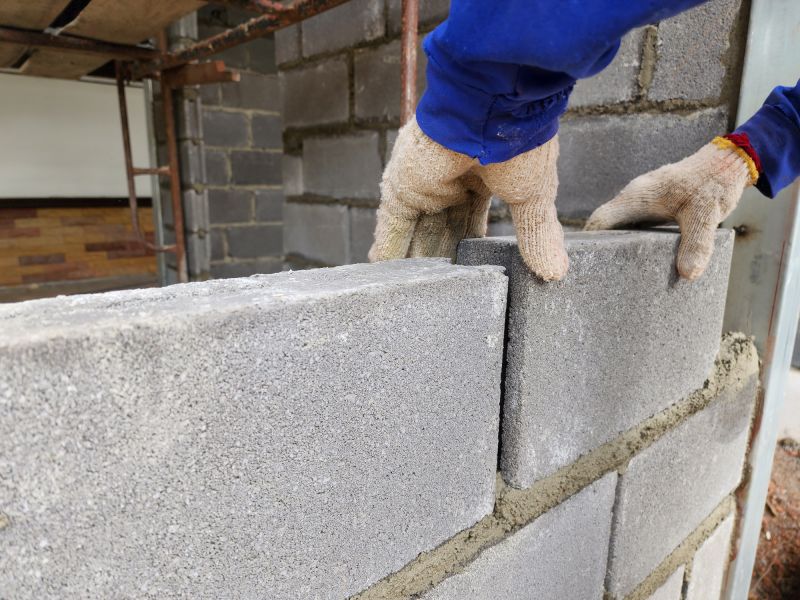
How are concrete blocks installed? Installation involves preparing a level foundation, stacking blocks in a pattern, and securing them with mortar or adhesive for stability.
What types of concrete blocks are available? There are various types including standard, decorative, and insulated concrete blocks, suitable for different aesthetic and functional needs.
Is special equipment needed for concrete block installation? Basic tools like trowels, levels, and mortar mixers are typically used; heavy machinery is usually not required for standard projects.
Request Concrete Blocks Installation in Fairfield County, CT
Use the quote form on this page to share the basics of your project and request more information for the type of work you need.