Best Time for Masonry Repointing
Understanding the optimal timing for masonry repointing can enhance durability and effectiveness. Proper scheduling considers weather conditions, material properties, and structural needs to ensure lasting results.
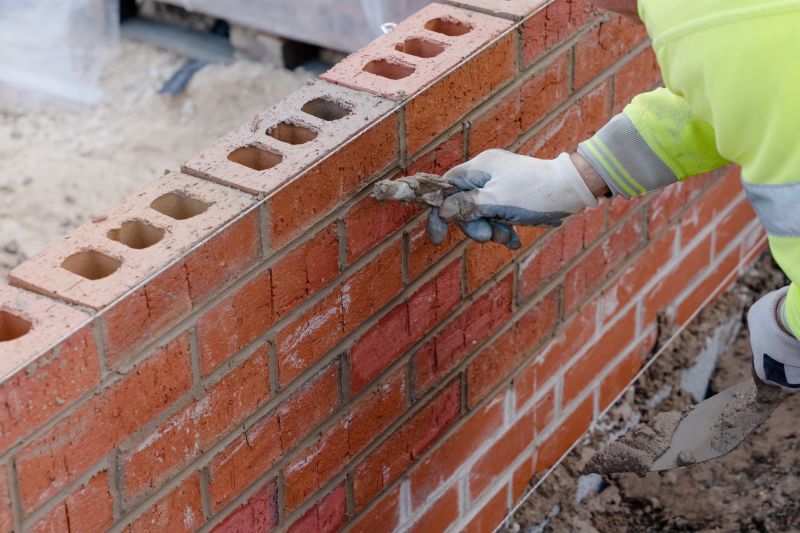
Repointing is best performed during dry periods to ensure mortar properly sets and adheres.
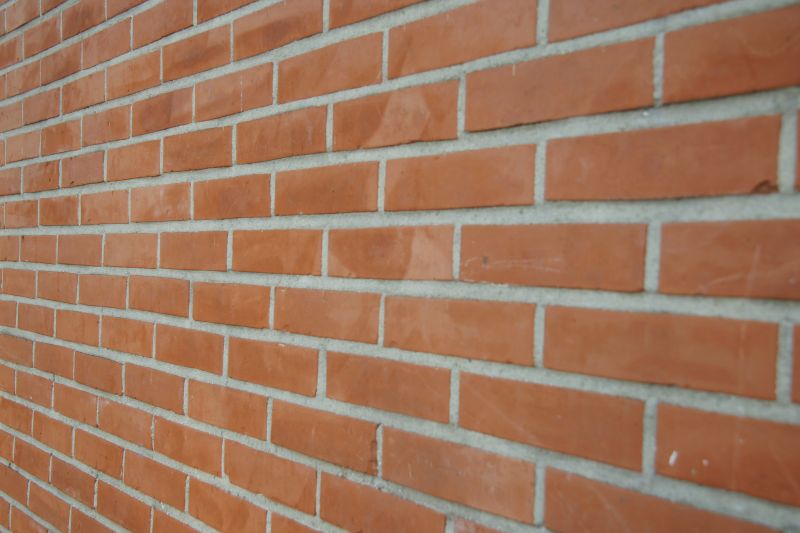
Ideal temperatures range between 5°C and 25°C, avoiding extreme heat or cold that can affect mortar curing.
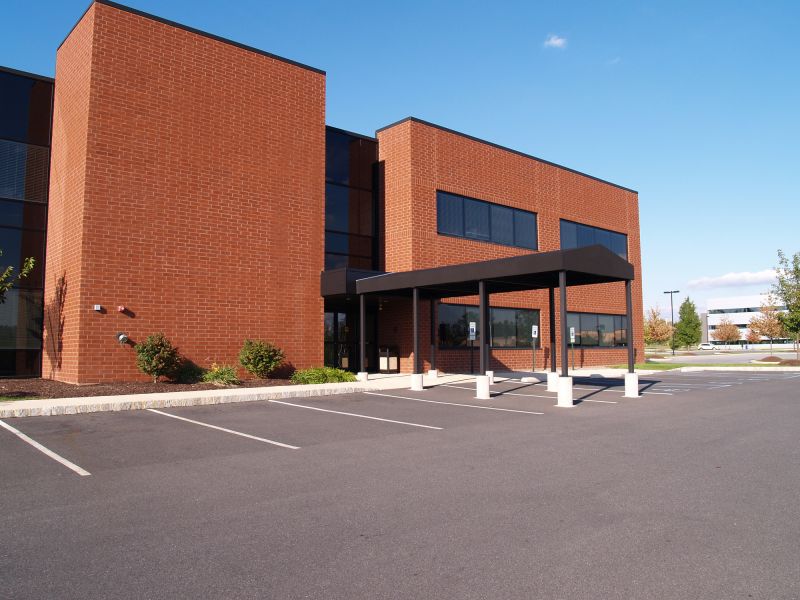
Spring and early autumn typically provide suitable weather for repointing projects.
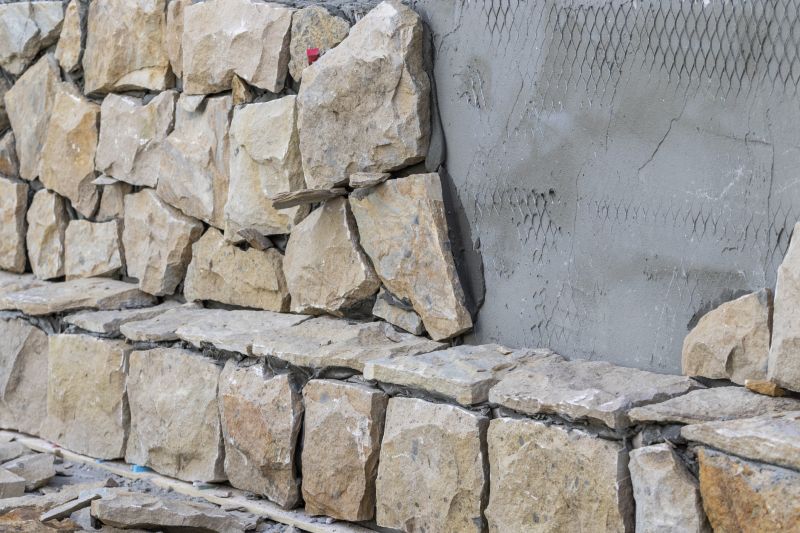
Ways to make Masonry Repointings work in tight or awkward layouts.
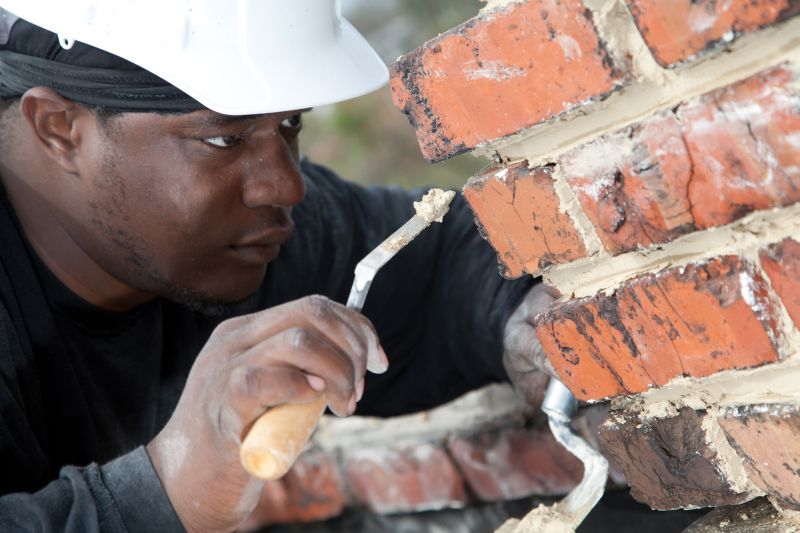
Popular materials for Masonry Repointings and why they hold up over time.
Simple add-ons that improve Masonry Repointings without blowing the budget.
Masonry repointing involves renewing the external part of mortar joints between bricks or stones. This process restores structural integrity, prevents water ingress, and maintains aesthetic appeal. Proper timing is crucial; performing repointing during unfavorable weather can lead to mortar failure or cracking. Statistics indicate that repointing performed in optimal conditions can extend the lifespan of masonry by decades, reducing long-term repair costs.
Rain or freezing temperatures can compromise mortar curing, leading to weak joints and potential damage.
Cracked, crumbling, or missing mortar joints suggest the need for repointing.
Timing repointing during suitable weather ensures better adhesion, longevity, and appearance.
Assess weather forecasts, remove damaged mortar, and schedule during dry, moderate weather conditions.
Ideal due to moderate temperatures and low rainfall, ensuring mortar sets properly.
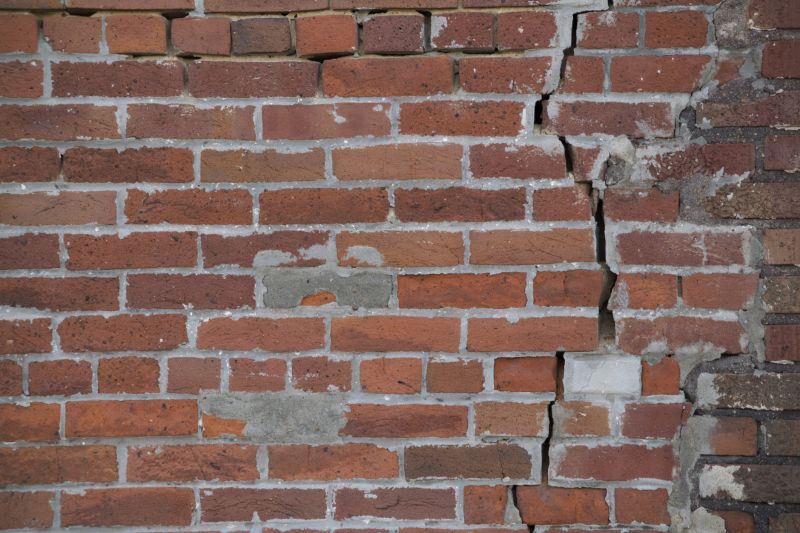
Suitable because of cooler weather and reduced risk of rapid drying or cracking.
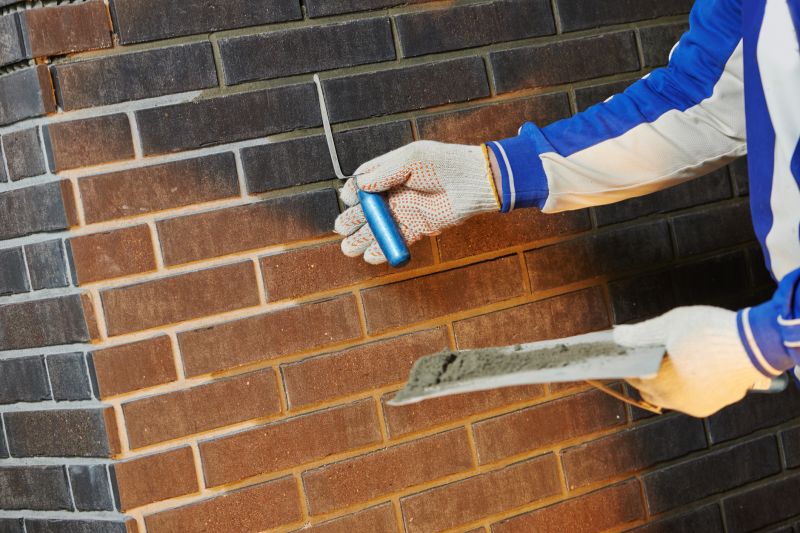
Cold temperatures and moisture can hinder mortar curing and cause damage.
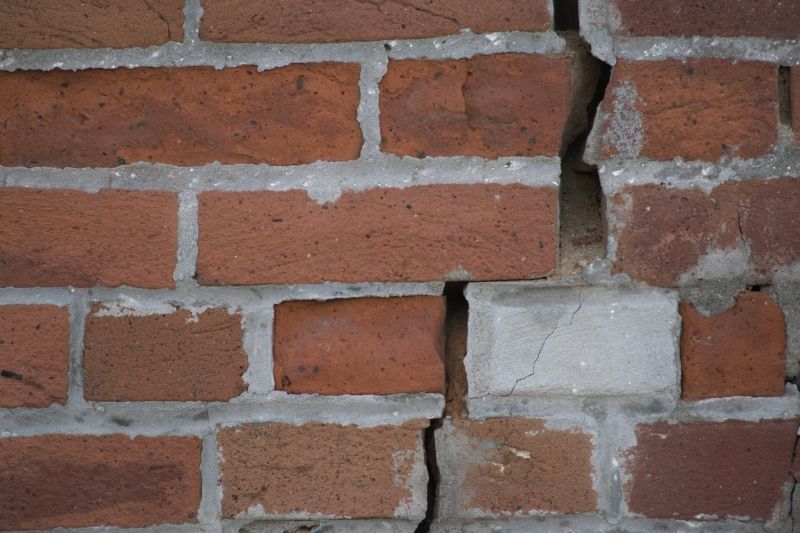
High temperatures and direct sunlight can cause mortar to dry too quickly, leading to cracking.
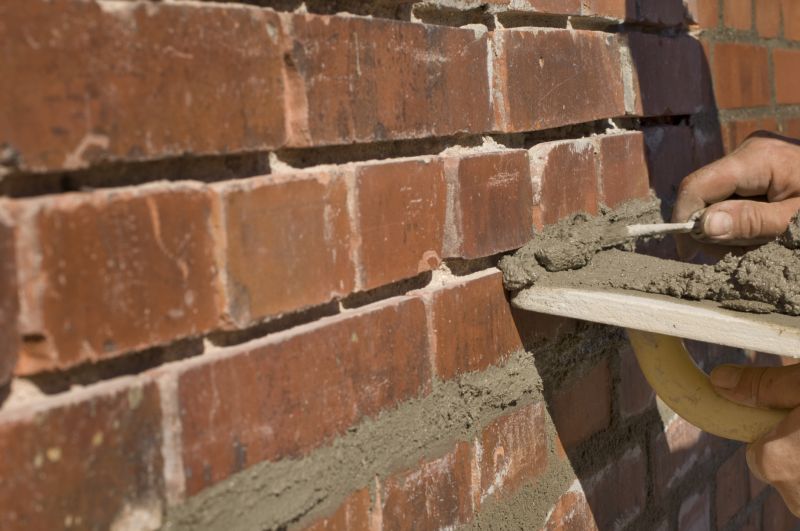
High-end options that actually feel worth it for Masonry Repointings.
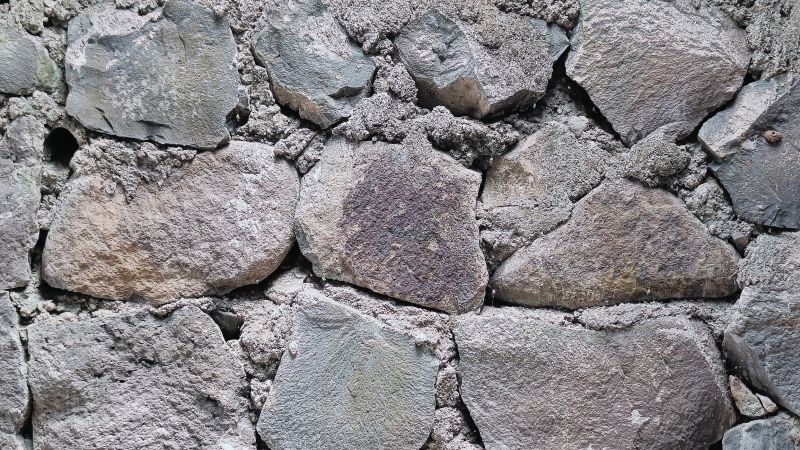
Finishes and colors that play nicely with Masonry Repointings.
Selecting the right time for masonry repointing enhances the durability and appearance of the structure. Professionals recommend avoiding extreme weather conditions to prevent issues such as cracking, weak adhesion, or mortar loss. Proper planning and weather assessment are essential steps to ensure the longevity of repointing work.
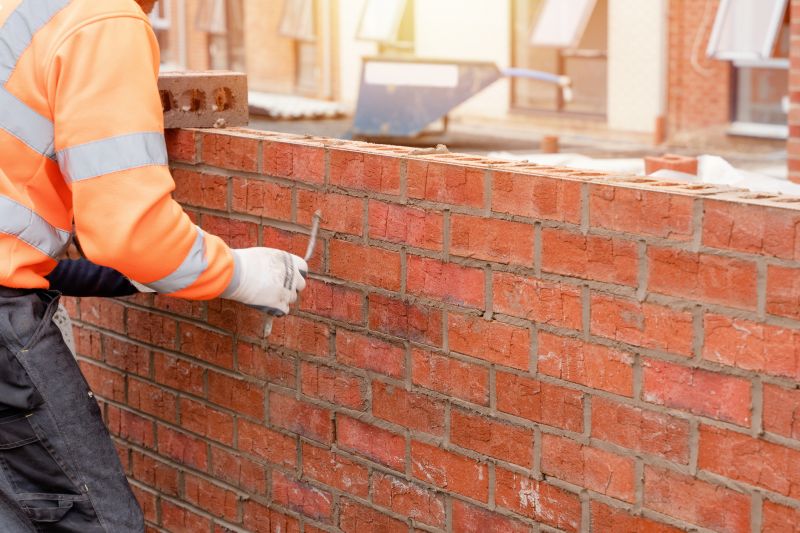
Ensure weather conditions are forecasted to be dry and moderate before starting work.
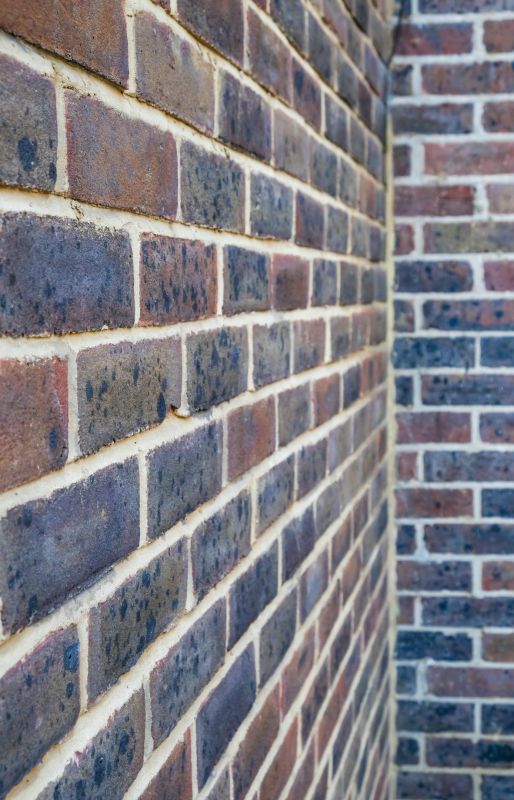
Allow sufficient curing time in suitable weather to maximize mortar strength.
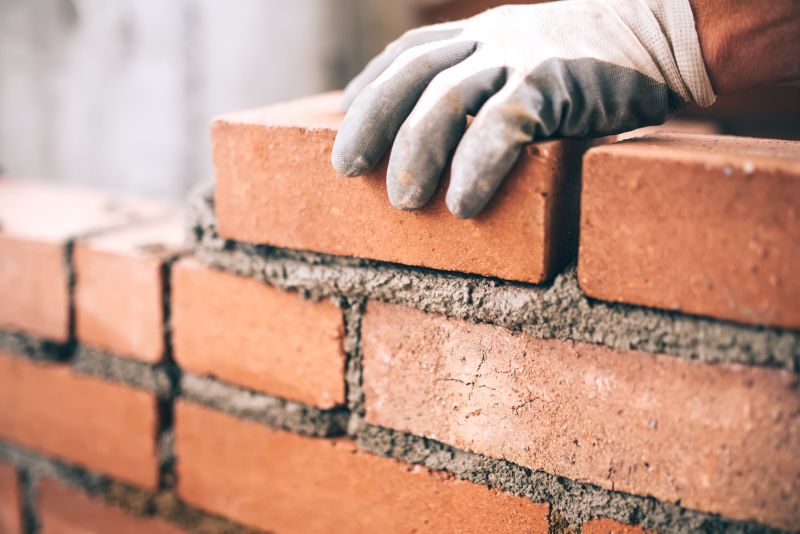
Local climate influences the optimal scheduling for masonry repairs.
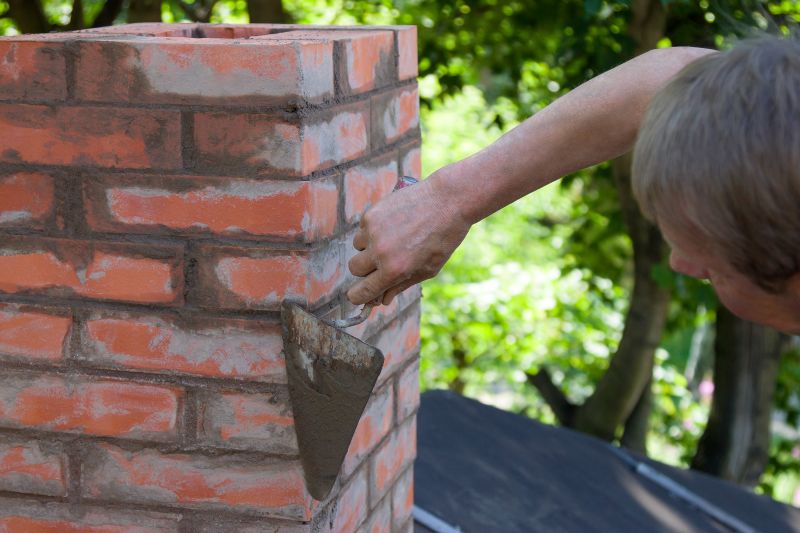
Timing repairs correctly can significantly extend the lifespan of masonry structures.
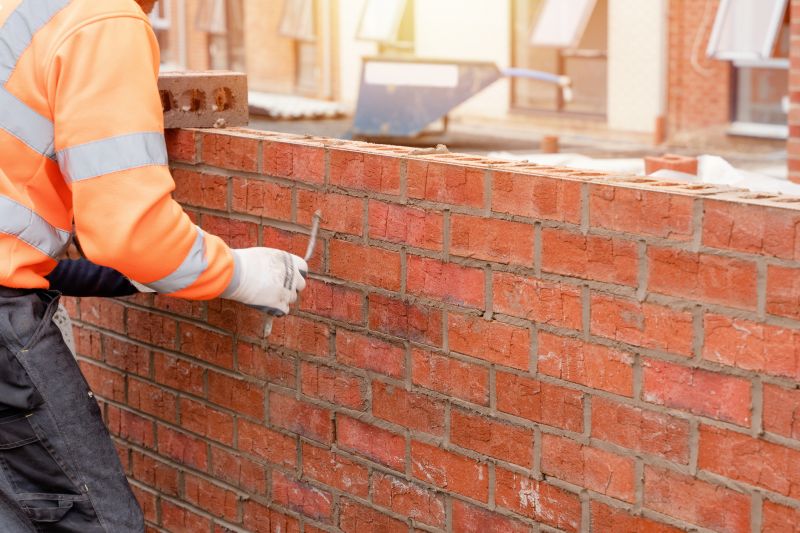
Little measurements that prevent headaches on Masonry Repointings day.
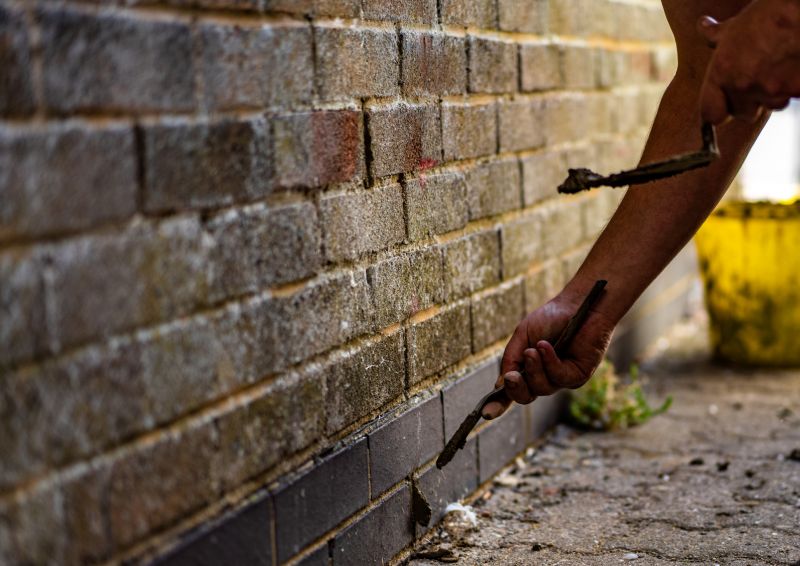
A 60-second routine that keeps Masonry Repointings looking new.
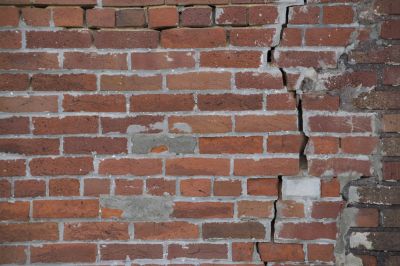
A frequent mistake in Masonry Repointings and how to dodge it.
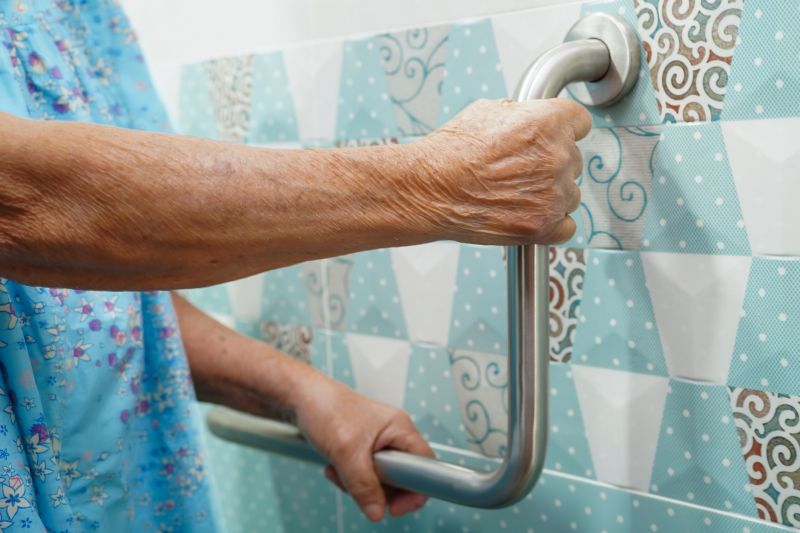
Small tweaks to make Masonry Repointings safer and easier to use.
Interested parties are encouraged to contact for more information on scheduling masonry repointing projects to achieve the best results. Proper timing ensures structural stability, aesthetic appeal, and cost-effective maintenance over time.